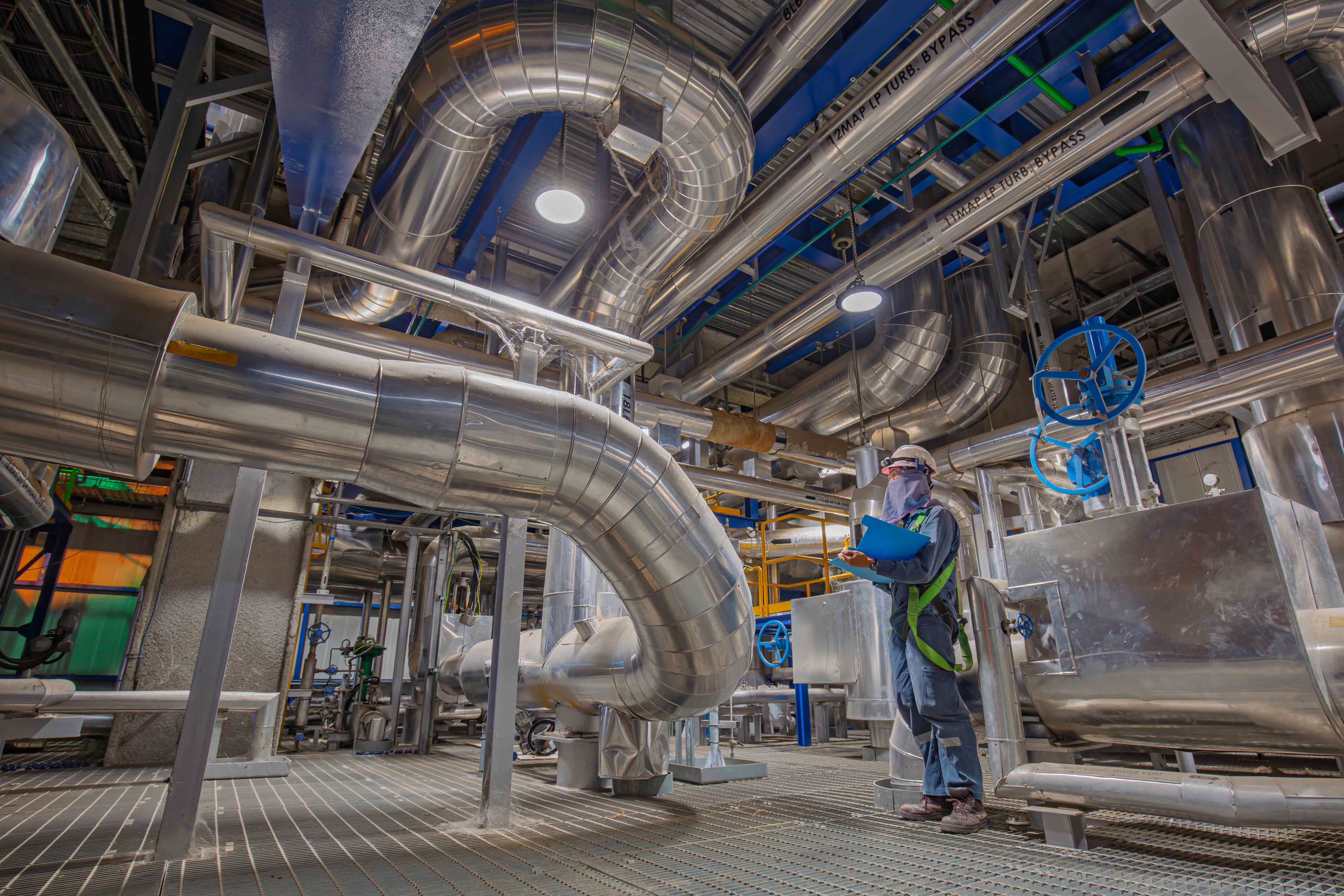

We serve general contractors, mechanical contractors, and facility owners across Houston, Dallas–Fort Worth, Austin, and San Antonio with high-velocity debris flushing.
Learn more →
Fast mobilization across Houston, DFW, Austin & San Antonio.
Matched to your spec — never improvised on site.
Velocities, water chemistry & treatment documented.

.svg)



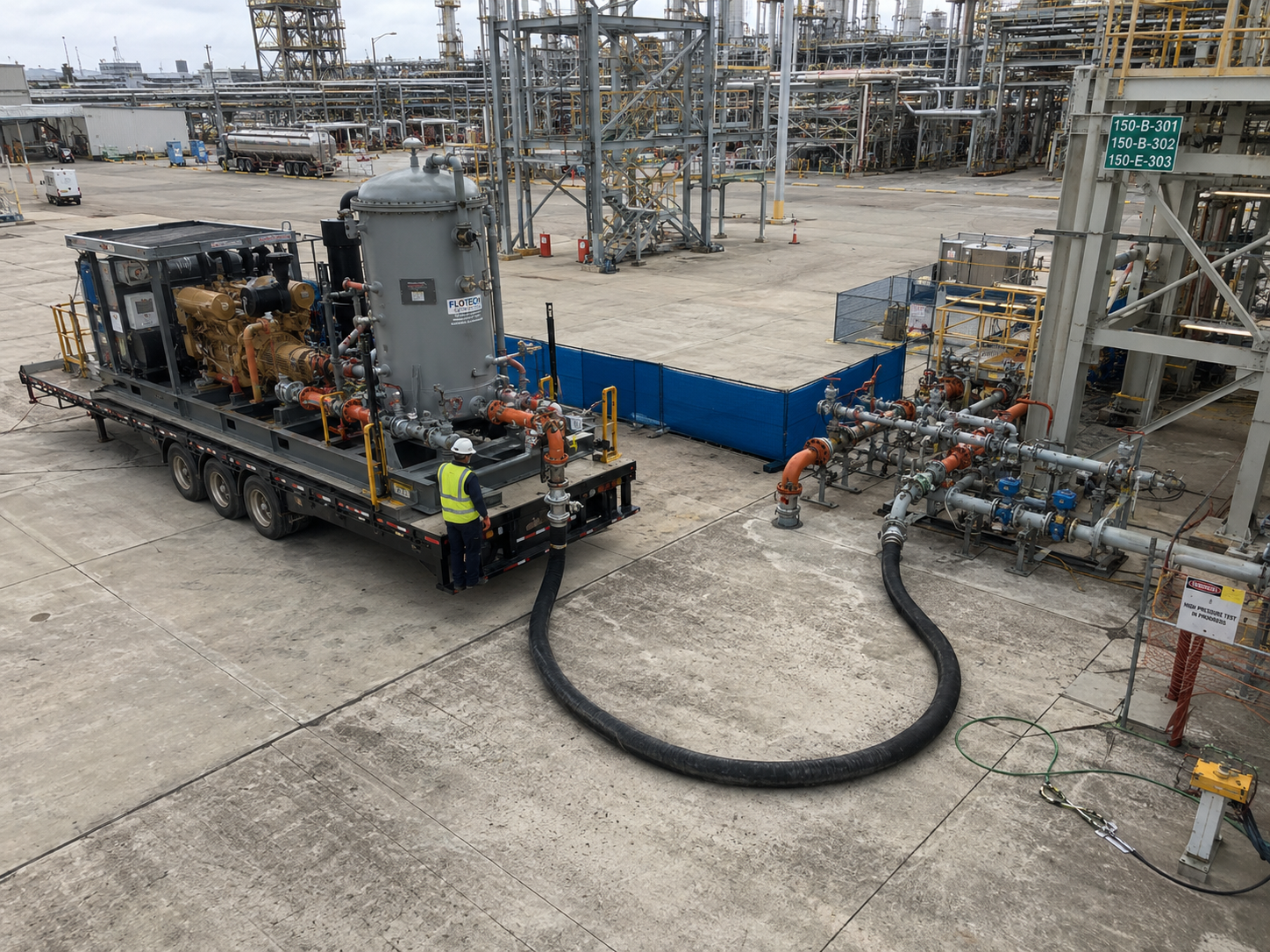



A complete hydronic flush includes a high-velocity debris flush using external pumps and filtration, chemical cleaning to remove mill scale and oils, passivation to protect steel piping from flash rust, corrosion inhibitor treatment, and a documented flush report verifying velocities and water chemistry
A: Building pumps are sized for design flow, not flushing velocity. Moving construction debris through large piping requires significantly higher velocities than design flow provides, which is why dedicated external pumping and filtration equipment is required for an effective flush.
Most hydronic flushes take one to several days depending on system size, pipe volume, and number of zones. PurgePro engineers a flush sequence by zone and flushes until target velocities and water chemistry are verified — not on a fixed clock, but until the system meets spec for closeout.
A new hydronic system should be flushed after pressure testing and before startup or commissioning. Flushing before the system runs removes construction debris, mill scale, and oils that would otherwise foul coils, clog strainers, and accelerate pump wear once flow begins.
Flushing uses high-velocity flow to physically remove debris from piping. Chemical cleaning dissolves mill scale, oils, and flux that flushing alone can't lift. Passivation then treats steel surfaces to prevent flash rust. A complete hydronic flush includes all three, finished with a corrosion inhibitor and a documented report.